Surfing the reef breaks around Ahangama is a right of passage for our surf students, but despite being deep and relatively mellow, these reefs can be unforgiving and a minor slip can easily leave you with a coral cut that will have you out of the water for the rest of your trip.
In a warm, tropical climate like Sri Lanka’s, even a tiny scratch from the reef can introduce marine bacteria deep into your skin, leading to a serious infection within 24 to 48 hours.
You will hear this all the time but I’m being serious, the rather gruesome image above was my feet after ignoring a 1cm scratch for two days.
So here’s how to treat reef cuts and urchin spines quickly, so you can stay safe and get back in the water and avoid looking like you have a nasty case of gout…
Reef Cuts: Immediate First Aid
- Rinse thoroughly with fresh water. As soon as you’re out of the surf, flush the wound with clean, fresh water. This helps wash out sand, coral dust and marine organisms trapped in the cut.
- Clean gently with soap. Use a clean cloth or gauze with mild soap and fresh water to gently scrub the scrape.
- Apply an antiseptic. Once the area is dry, apply a thin layer of antiseptic cream or iodine solution, then cover it with a breathable waterproof dressing.
- Keep it out of the sea. Stay out of the water until the cut has closed or formed a solid, dry scab. Repeatedly exposing an open wound to tropical sea water is one of the main causes of skin infections.
Signs of a Tropical Infection
Keep a close eye on the cut over the next few days. Seek medical attention straight away if you notice:
- Redness, swelling or heat around the cut that is getting worse
- Pain that increases rather than eases after 24 hours
- Yellowish fluid or pus coming from the wound
- A mild fever or chills
When to See a Doctor
At the first sign of infection. Don’t wait to see if it improves.
Where to Go
Asiri Hospital in Galle or Matara are good options.
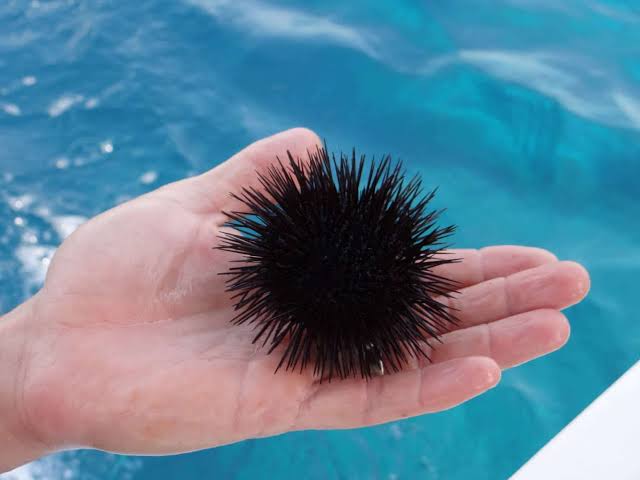
Sea Urchin Spines
Sea urchins are small, round marine creatures covered in sharp, brittle spines, some of which are venomous. Stepping on one is a common surf travel mishap you’ll likely make once and never again. Because the spines are designed to break off easily in the skin, knowing how to react can prevent severe pain and infection.
Immediate First Aid
- Soak in hot water. As soon as possible, soak the affected foot or area in hot water for 30 to 90 minutes. It should be as hot as you can comfortably tolerate without burning your skin. The heat helps break down the venom and significantly reduces the throbbing pain.
- Don’t dig the spines out. Urchin spines are brittle and made of calcium carbonate. If you aggressively dig at them with tweezers or a needle, they can shatter into fragments deeper in the tissue and increase the risk of infection.
- Clean the surface gently. Wash the area with clean fresh water and soap to remove sand and marine debris.
- Consider a vinegar compress. Some people apply a compress soaked in ordinary vinegar to help dissolve very shallow, tiny spine fragments over time.
When to Seek Medical Care
Minor, shallow spines often dissolve or work their way out on their own over several weeks. Visit a medical clinic immediately if:
- Spines are in or near a joint (such as your toe joints or ankle), as this can cause movement problems or deep joint infections
- You have a large number of deep punctures causing intense, unmanageable pain
- The area becomes very red, swollen, throbbing or warm after 24 hours
- You experience dizziness, nausea or shortness of breath
Medical professionals can safely remove deep or problematic spines using sterile equipment.
Prevention
Reef booties may not look cool, but they do the job. Urchins can and will penetrate boots, but you still get an extra layer of protection.
Also:
- Check the tide before you paddle out, and look for shallow reef or rocks
- Enter and exit the surf spot in the right place. Most of my own cuts have happened when rushing in or out of the surf.
This article is general guidance only and is not a substitute for professional medical advice. If you’re unsure about an injury, see a doctor.